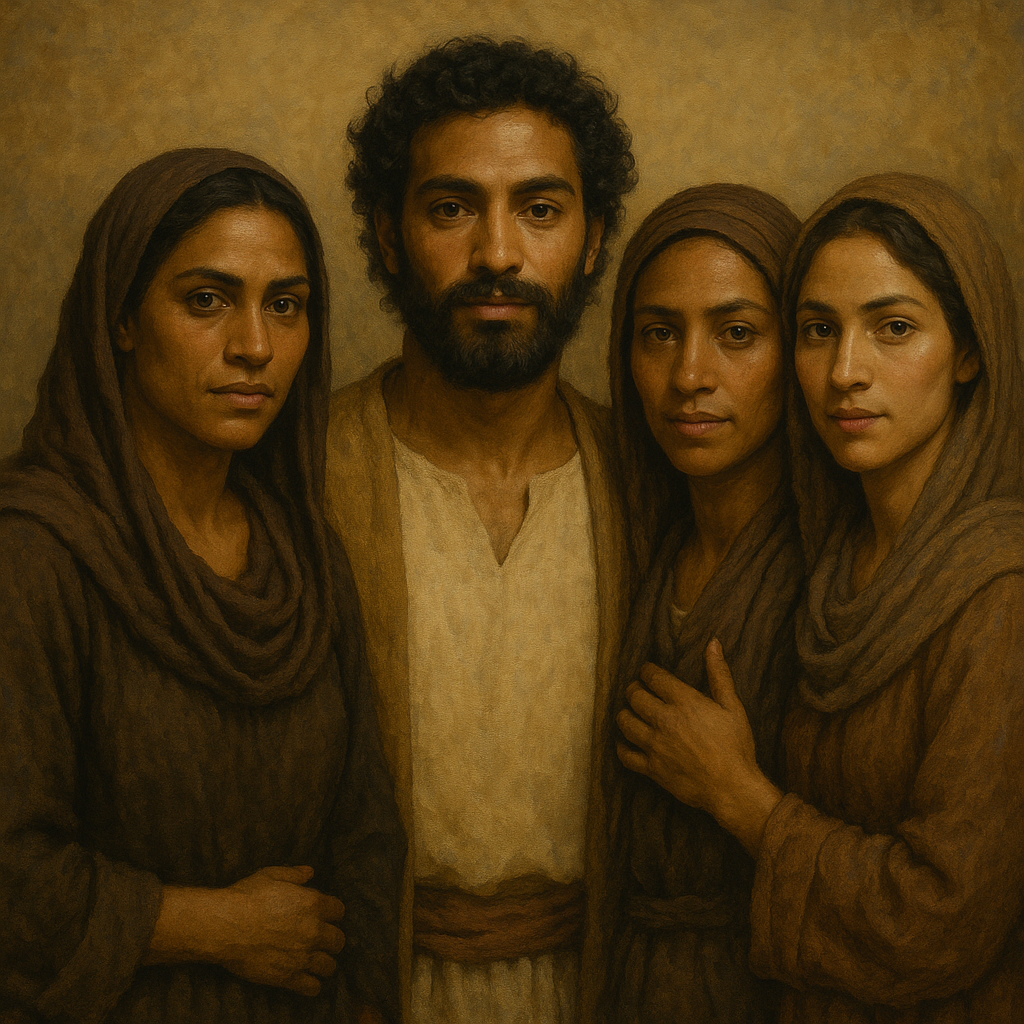
On January 8, 1986, Loyd Blankenship published "The Conscience of a Hacker" (also known as "The Hacker Manifesto"). I first read that in 1994, and it became part of me, still very much with me, and something I think about often in 2026. I even had it memorized at one point and still can do 50-60% of it from memory.
I present to you “The Conscience of a Fundamentalist Mormon”:
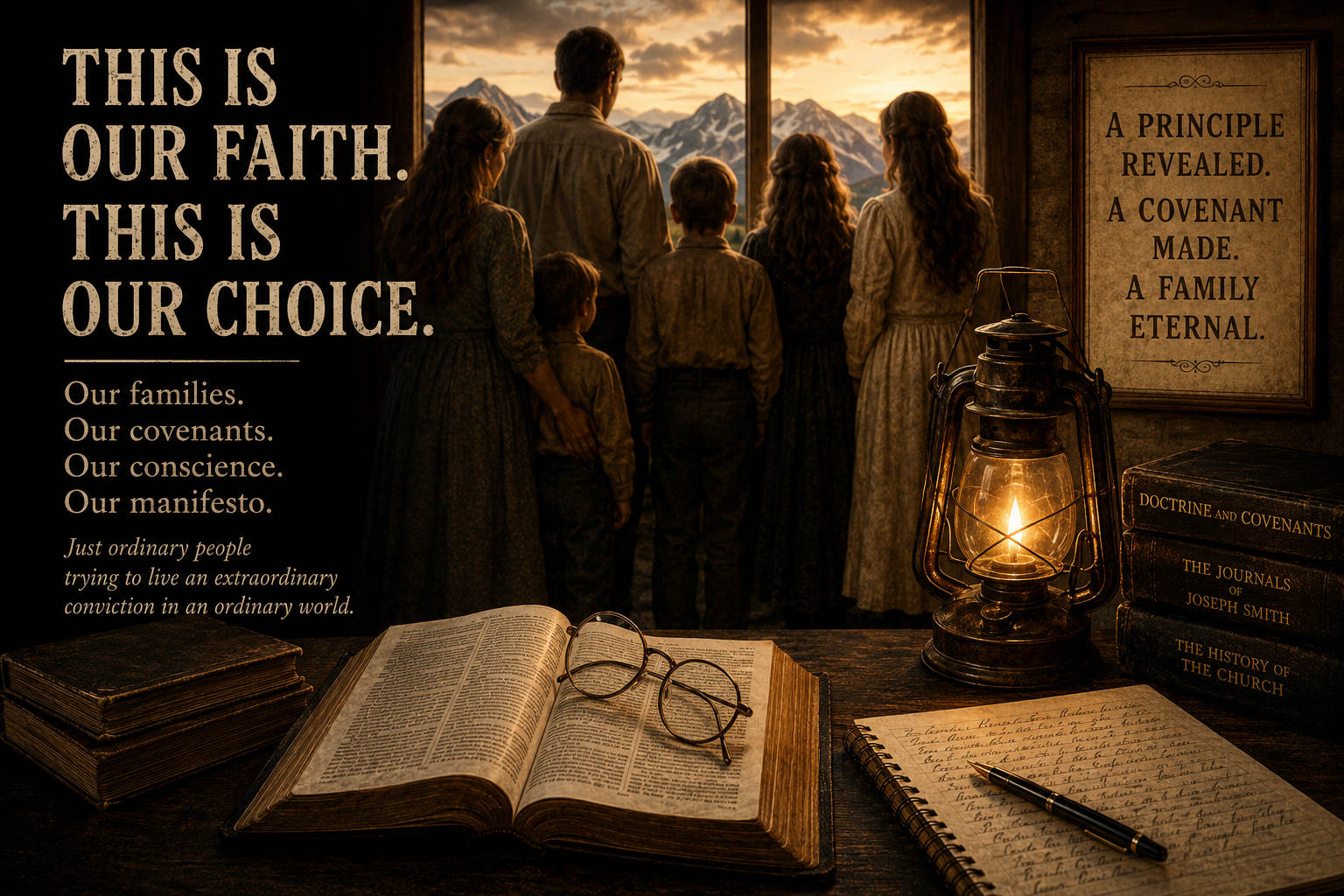
Another one got caught today. It’s all over the papers.
“Polygamist Arrested in Secret Marriage Case.”
“Fundamentalist Mormon Family Under Investigation.”
“Man Charged After Plural Wives Discovered.”
Damn zealots. They’re all alike.
But did you, in your courthouse morality and television-documentary brain, ever take a look behind the eyes of the polygamist? Did you ever wonder what made him believe, what books shaped him, what prayers may have molded him?
I am a Mormon fundamentalist. Enter my world.
Mine is a world that begins with church. I heard the stories before I could read them. Prophets, pioneers, deserts, temples, covenants, sacrifice. Men and women who crossed the plains because God’s word mattered more than comfort, reputation, or law.
Damn fundamentalist. They’re all alike.
I’m in Sunday School, or seminary, or sitting in the back pew. I’ve listened to teachers explain for the fifteenth time how brave the early Saints were. I understand it.
“No, Brother Jensen, I’m not attacking the Church. I’m asking why the thing they suffered for is now treated like a disease.”
Damn kid. Probably reading forbidden books. They’re all alike.
I made a discovery today. I found the old sermons.
Wait a second, this is real.
Not rumor. Not anti-Mormon lies. Not enemies making things up. The words are right there. The names are right there. The doctrine is right there. Men we still sing about, quote, praise, and frame on chapel walls lived something we are now told only monsters would defend.
And the books don’t flinch.
They don’t tell me to stop asking.
They don’t smile politely and change the subject.
They don’t call history sacred on Pioneer Day and embarrassing the rest of the year.
They just sit there, ink on paper, waiting for someone to read them honestly.
Damn kid. All he does is dig up old doctrine. They’re all alike.
And then it happened. A door opened to a world.
Not the world you show on the news. Not locked gates, child brides, stolen welfare, and men ruling by fear. Not prairie dresses and prophet-kings. Not abuse dressed up as revelation.
A different world.
A kitchen table after work. A prayer circle. A house full of children and noise and unpaid bills. Adults who chose each other. Women who can speak for themselves. Men who believe priesthood means responsibility, not ownership. Families trying to live a principle they believe heaven never repealed.
“This is it. This is where I belong.”
I know everyone here, even if I’ve never met them, never prayed with them, may never see them again. I know the man reading yellowed books at midnight. I know the woman tired of being pitied by people who never asked what she believes. I know the family smiling in public and measuring every word.
Damn polygamists. Hiding again. They’re all alike.
You bet we’re all alike.
We’ve been spoon-fed a faith with the bones taken out of it when we hungered for the whole feast. The pieces of history you did let slip through were softened, footnoted, explained away, made safe for visitors and Sunday lessons. We’ve been managed by the embarrassed, corrected by the comfortable, and warned by men who praise sacrifice so long as nobody actually sacrifices anything.
The few who had something honest to teach found us willing pupils, but those few are like drops of water in the desert.
This is our world now.
The world of covenant and consequence.
The world of Abraham, Jacob, Moses, Joseph, Brigham, and all the uncomfortable names you still honor while condemning those who remember too clearly.
We build families, and you call us criminals.
We read history, and you call us deceived.
We seek after eternal law, and you call us dangerous.
We refuse your caricature, and you call us secretive.
We live as consenting adults by a religious conviction older than your statutes, and you call us immoral.
You sell lust, divorce, betrayal, and loneliness in every form the market can package. You laugh at fidelity, profit from broken homes, and bless every arrangement except the one that demands duty, patience, sacrifice, and permanence. You praise freedom until someone uses it to obey God instead of appetite.
Yes, I am a criminal.
My crime is covenant.
My crime is believing the old words still mean what they said.
My crime is judging a family by its fruits, not by whether it fits inside your paperwork.
My crime is loving in a way you cannot regulate without first pretending you understand it.
My crime is remembering what you worked so hard to forget.
I am a Mormon fundamentalist, and this is my manifesto.
You may stop this individual. You may shame this family. You may print another headline and call it justice.
But you can’t stop us all.
After all, we’re all alike.